
Your Custom Text Here
Pasta with Swiss Chard and Leek Sauce

The combination of swiss chard and leeks is terrific. Shout out to Kathryn who suggested the combination after she modified a Smitten Kitchen post.
The sauce, which is thickened by a roux (a mixture that is traditionally a combination of flour and butter), is easy to make. It's also delicious! I may even make it again this weekend...but that would make three times in two weeks. I guess that's a bit excessive.
Swiss Chard and Leek Sauce
1 bunch Swiss chard, thick stems removed and leaves sliced into ribbons
2 leeks
1 scallion
3 tablespoons butter
3 tablespoons all-purpose flour
1 3/4 cups milk
1/8 cup of grated parmesan
Salt and pepper
 |
| Making the roux: butter, chard, leeks, flour and milk. |
Preparation
Remove the chard from the pan and press out the excess liquid. (I used a cheesecloth.)
Heat the milk in a small saucepan over moderate heat, stirring, until warm. Keep warm.
Meanwhile, put 3 tablespoons of butter in the pan that once had the chard. Heat on a moderately low flame. When the butter is melted, add the leeks and scallions. Stir occasionally, until softened, about 6 minutes. Whisk in flour and cook about 3 minutes. Slowly add warm milk, whisking constantly to prevent lumps. Whisk until thickened, 3 to 4 minutes. Stir in chard, then salt and pepper to taste and cook, stirring, until heated through. Add 1/8 cup finely grated parmesan to the roux while it is being cooked. Pair this with your favorite pasta (I went with mushroom ravioli). Dinner is served!

Baby Blue Eyes
 |
| Sukkah City, Union Square, NYC |

Baby Otis turned one years old in September, so we decided to have a little shindig in Prospect Park to celebrate the milestone. We were fortunate that the weather cooperated (only a few days prior Brooklyn was hit by a tornado) and a great time was had by all our guests both old(er) and young.
I remembered almost everything on my checklist. Balloons? Check. Amazing photo cake from Lord's Bakery? Check. Italian subs? Check. Yummy "footlongs" with eggplant and home-made mozzarella from Lioni's in Dyker Heights? Check. Chairs, table, tablecloth, napkins, utensils, blankets? Check. "Adult party punch" (recipe will be posted at some point)? You bet. Camera? Uh-huh. You are probably wondering what item was forgotten and left charging in the wall. The camera battery! D'oh!
So, we don't really have many photos from our picnic gathering. I was sent a few on email and I took a few pictures with our video camera, but I don't have any high resolution SLR photos. I will take tons next year! Promise.
I decided to put these up so you can see how this little guy is doing...in case you missed the party. Otis laughs and giggles all the time and he has started to walk. He also likes chasing, I mean walking with, pigeons and other small birds in the park. He is a budding wildlife enthusiast!








 |
| Add caption |

 |
 |


Polenta with Corn and Thyme
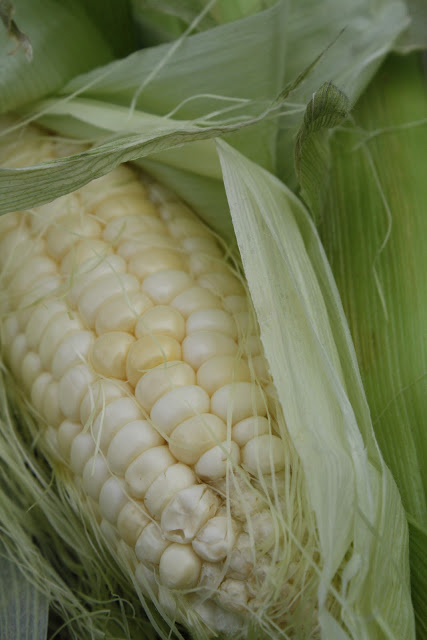 |
| CSA corn |
In the kitchen I start making heavier, richer soups and stews. I tend to use lots of potatoes (fingerling, yams and sweet), legumes and fall squashes. But there are a few 'hangers-on' from the previous season-- namely, corn.
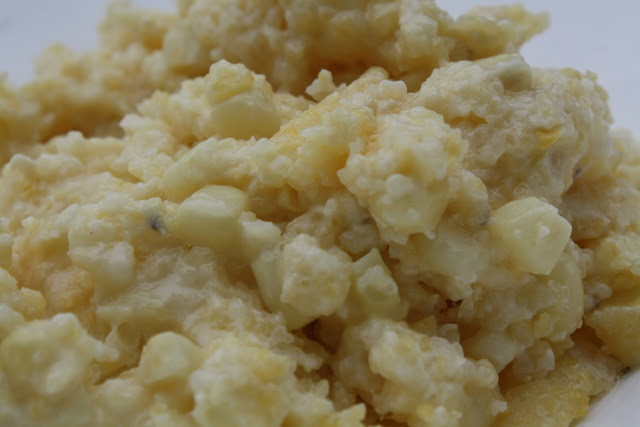
This recipe combines fresh corn with polenta, which is an Italian name for ground cornmeal or maize. You can add some rapini or porcini mushrooms to the polenta if you want to kick-it-up a notch. Maybe even some blue cheese, if that's your thing.
Apparently this dish is popular in Austria as an early morning treat. I made it as a brunch side dish. Yum. Baby Otis gobbled it up!
Note: this recipe should *not* be made ahead of time. It needs to be served immediately.
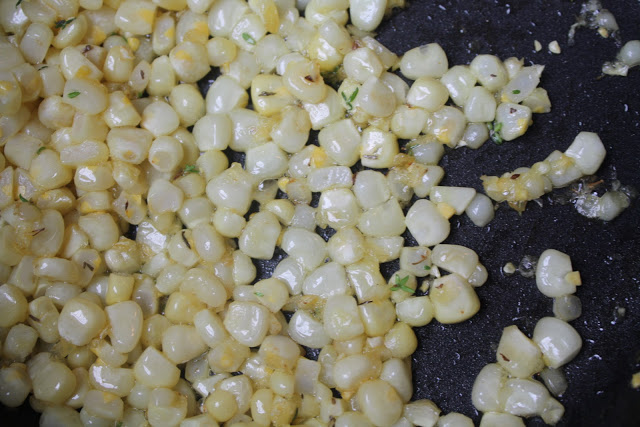
Serves 4
Ingredients
2 tablespoons of butter
1 cup of corn kernels (I used CSA corn, but you can use frozen if you don't have access to fresh corn)
1 teaspoon of fresh thyme
1 cup whole milk
1/2 cup of fine cornmeal (polenta)
1/4 cup of grated parmesan
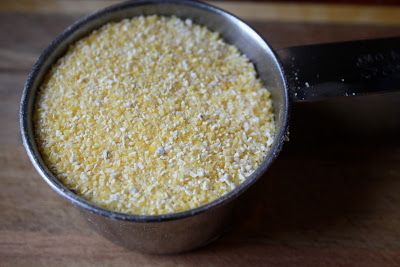
In a large saucepan, melt 1 tablesppon butter (I used salted) over medium-high heat. Add 1 cup of corn kernels and 1 teaspoon of fresh thyme. Cook, stirring occasionally, until corn is warmed through, about 1-2 minutes. Add 1 cup whole milk and 1 1/2 cups of water and bring to a boil. Slowly whisk in 1/2 cup of fine cornmeal (polenta). Cook, stirring constantly, until mixture is thick and creamy, about 6 minutes. Remove from heat and stir in 1 tablespoon of butter and 1/4 cup of grated parmesan. Season with coarse salt and ground pepper. Serve immediately.
I'm So Eggcited (and I Just Can't Hide It): Poached Eggs with Yogurt, Sage and Chili Flakes

Poached Eggs with Sage and Chili/Paprika
Eggs. Huevos, oeuf, baitza, bayd, uova, tomago, dalgyal, vejce. I truly love them in any language. They are a binding ingredient in fritters, vegetarian burgers and galettes. They are a key component of Shakshukah. And they make breakfasts substantial. The best eggs come from local farms and are not factory produced. These eggs have a much better flavor, rise higher and often have a richer color (sometimes they are even orange).

Spanish Eggs
While I love a good scrambled egg, here are two omelette combinations that I am absolutely crazy about:

Omelette with Pesto and Asiago Cheese (Inspired by Jack the Horse Tavern, Brooklyn)
 |
Omelette with Salsa Verde and Swiss Gruyere (Inspired by Diner, Brooklyn)
|
 . I guarantee that it will impress any egg-lover. This dish is made special by the sweet and crispy sage, caramelized butter and fiery chili flakes (or paprika).
 Poached Eggs with Yogurt, Sage and Chili Flakes (Courtesy of The Moro Cookbook)
Ingredients
1 small bunch fresh sage, leaves picked from the stalks
1 garlic clove, crush to a paste with salt
12 ounces of Greek yogurt, thinned with 2 tablespoons of milk
3 tablespoons of butter (original recipe calls for 4, but I think 2 is enough)deddsxz
1 dessert-size spoon of vinegar (any)
4 eggs (I go with organic, free-range)
1 teaspoon of Turkish chili flakers or paprika
sea salt and black pepper (to taste)
Preparation
Caramelize the butter by putting 3 tablespoons in a small sauce pan over a low heat. Heat gently, stirring occasionally, until the white bits turn golden brown. The butter will give off a nutty, caramelized aroma. Be sure not to let it get too dark or burn. Add sage leaves and fry quickly for a seconds, preferably until crisp. Remove from heat and place the sage on a paper towel. Set the butter aside.
Place a large pan of water over high heat and bring it to a boil. While you are waiting for the water to bubble, mix the garlic with the yogurt and taste for seasoning. Now return back to the water and add vinegar and a pinch of salt and lower heat so that is very hot but no longer bubbling. With a wooden spoon, stir the water rapidly in one direction. Break the eggs, one by one, into the water.
While the eggs are setting, you can get your plating ready. Lay out shallow bowls and put a large dollop of the garlic-yogurt mixture in the center of each one. Make a small well in the middle of the yogurt for each egg. When the eggs are cooked to your liking, drain them of water and place them in the bowl. Season with salt and pepper. Warm up the butter and spoon it over the yogurt and eggs. Finally place the sage leaves and chili flakes (or paprika) on top. You can serve with french bread or pita. Enjoy!
Serves 4.

Egg poaching tip from Alice Waters:
"Without breaking the yolks, crack the eggs into individual cups or small bowls. When the water is very hot, but not bubbling, hold the cup right at the level of the water and carefully slide the egg in. This gentle entry into the water will help the egg keep its shape. After a minute you can gently stir the water a while to discourage the eggs from sticking to the bottom of the pan.
The cooking time will vary depending on the number of eggs, their size and the temperature they were when they went into the water. On average, a single large egg straight from the refrigerator will take 3 minutes to cook. For a firmer yolk allow up to 5 minutes."
Ina Garten's French Potato Salad (Herbed Potato Salad)

I've tried many potato salads, but this one is by
far the best. I'm not the biggest fan of mayo in potato salad (am I alone out
there?) so I love (and appreciate) this recipe with its olive-oil based
vinaigrette, courtesy of Ina Garten.
Ina is my inspiration when it comes to food and I
credit her with helping me transform my culinary repertoire. I grew up on
frozen foods (blintzes, fish sticks), iceberg lettuce, and spaghetti which was served (hold
on to your hats)…with ketchup! My parents, to their credit, always made sure
we had family dinner, every single night. But the task of preparing fresh,
delicious meals required more time than they had. They worked full-time
jobs and had to juggle responsibilities. I also think our dinners were
symptomatic of "the times."
Back in the 80's and early 90's, the variety of
heirloom tomatoes and leafy greens that I can now buy ay my local markets (or
through my CSA) was much more difficult to find. The recent explosion of
greenmarkets has made cooking with farm-fresh, seasonal, organic ingredients
much easier…and there’s better access.
By the time I started graduate school in New
Orleans, I (still) only had two spices on my rack: salt and pepper. And I
was a student, so cheap eats is what I did for lunch and dinner on most
nights. When I moved back to New York, I
worked so many hours and I never had time to cook; I ordered take-out for
almost every single meal. Maybe on a handful of occasions I took down my (one)
pot or pan, but I was hardly a balabusta!
Then I got married (cookware, finally!),
pregnant, and joined a CSA. I started paying attention to what I was
putting into my body. I began downloading recipes from various food blogs
and preparing dishes from highly recommended cookbooks. I bought fresh
herbs and spices. And then, after I gave birth and when the baby was sleeping,
I would turn on the Food Network and watch "my stories"—Ina’s
Barefoot Contessa in the afternoon and again in the early evening. I became
obsessed...in a good sort of way.
Now I cook most meals at home and I have two
incredible taste-testers who anxiously wait to try everything that comes out of
the kitchen. I make a lot of Ina's recipes and here is one more.
The key to this dish is fresh herbs which,
thankfully, I keep getting from my CSA.
Enoy!

•
1 pound small white boiling potatoes
•
1 pound small red boiling potatoes
•
2 tablespoons good dry white wine (I always keep
cooking wine on hand, but if you don't have any you can add an extra tablespoon
of stock)
•
2 tablespoons vegetable stock
•
3 tablespoons of champagne vinegar (I have also
used 2 tablespoons of white wine vinegar)
•
1/2- 3/4 teaspoon Dijon mustard (I tend to put
about 3/4 teaspoon)
•
3/4- 1 teaspoon kosher salt, to taste. I would
start with 1/2 teaspoon and then adjust to taste.
•
1/2 - 3/4 teaspoon freshly ground black pepper.
Start with 1/2 and then adjust to taste.
•
7-8 tablespoons good olive oil (the original
recipe calls for 10, but I think that's unnecessary.)
•
1/4 cup minced scallions (white and green parts)
•
2 tablespoons minced fresh dill
•
2 tablespoons minced flat-leaf parsley
•
2 tablespoons julienned fresh basil leaves
Preparation
Drop the white and red potatoes (cut in half)
into a large pot of boiling salted water and cook for 20 to 30 minutes, until
they are just cooked through. Drain in a colander and place a towel over the potatoes
to allow them to steam for 10 more minutes. As soon as you can handle them, cut
them into quarters and place in a medium bowl. Toss gently with the wine and
vegetable stock. Allow the liquids to soak into the warm potatoes before
proceeding.
Combine the vinegar, mustard, salt, and
pepper and slowly whisk in the olive oil to make an emulsion. Add the
vinaigrette to the potatoes. Add the scallions, dill, parsley, basil, with more
salt and pepper to taste. Toss. Serve warm or at room temperature.


I enjoy traveling, photography, hiking, street art, design, architecture, food trucks, gardening, the cosmos, cooking with the seasons, political activism and wallpaper! I know my interests span a variety of categories, here's where they all come together.

